One Wisconsin. On Wisconsin.
Healthier herds, smarter farms
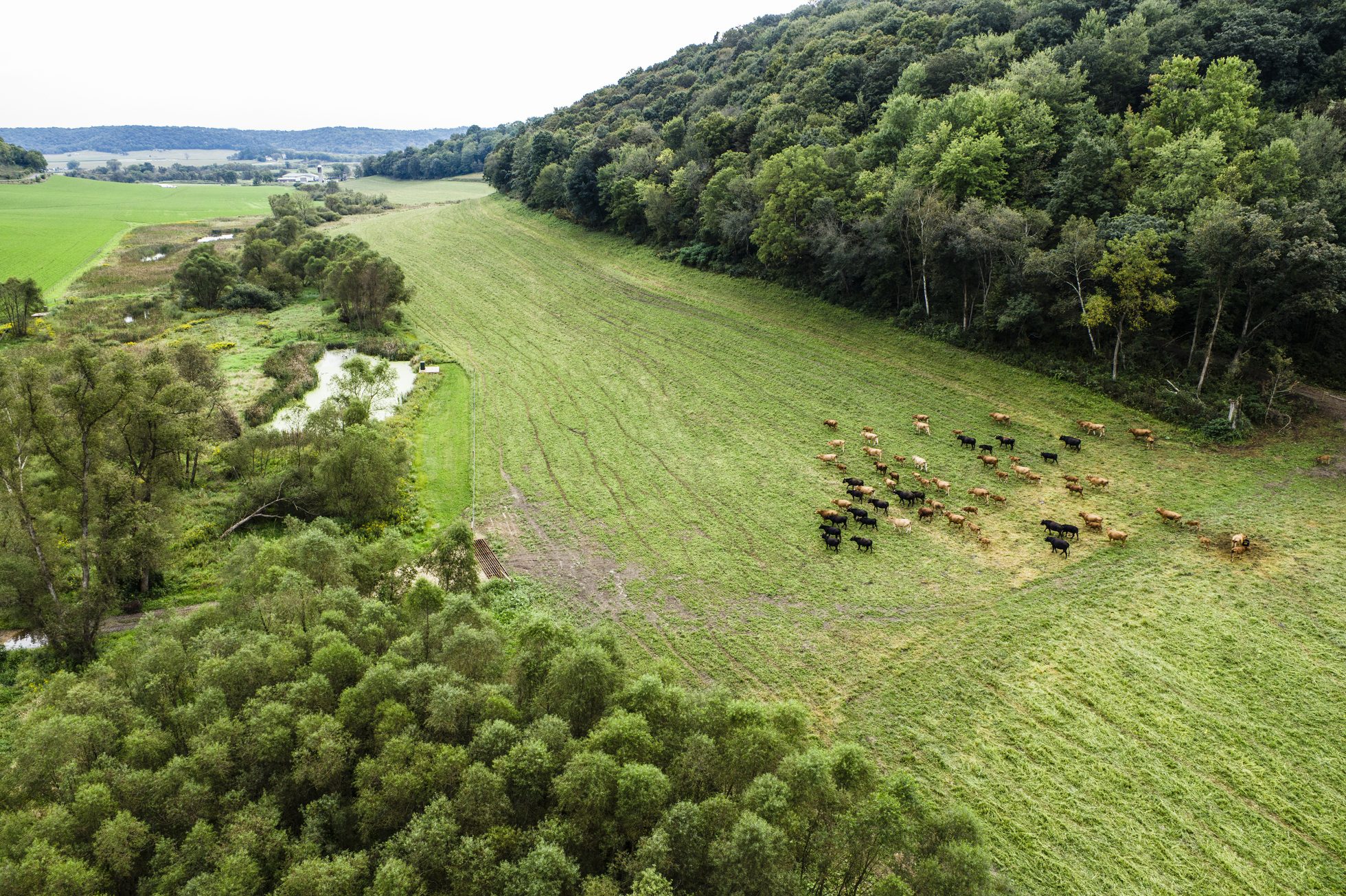
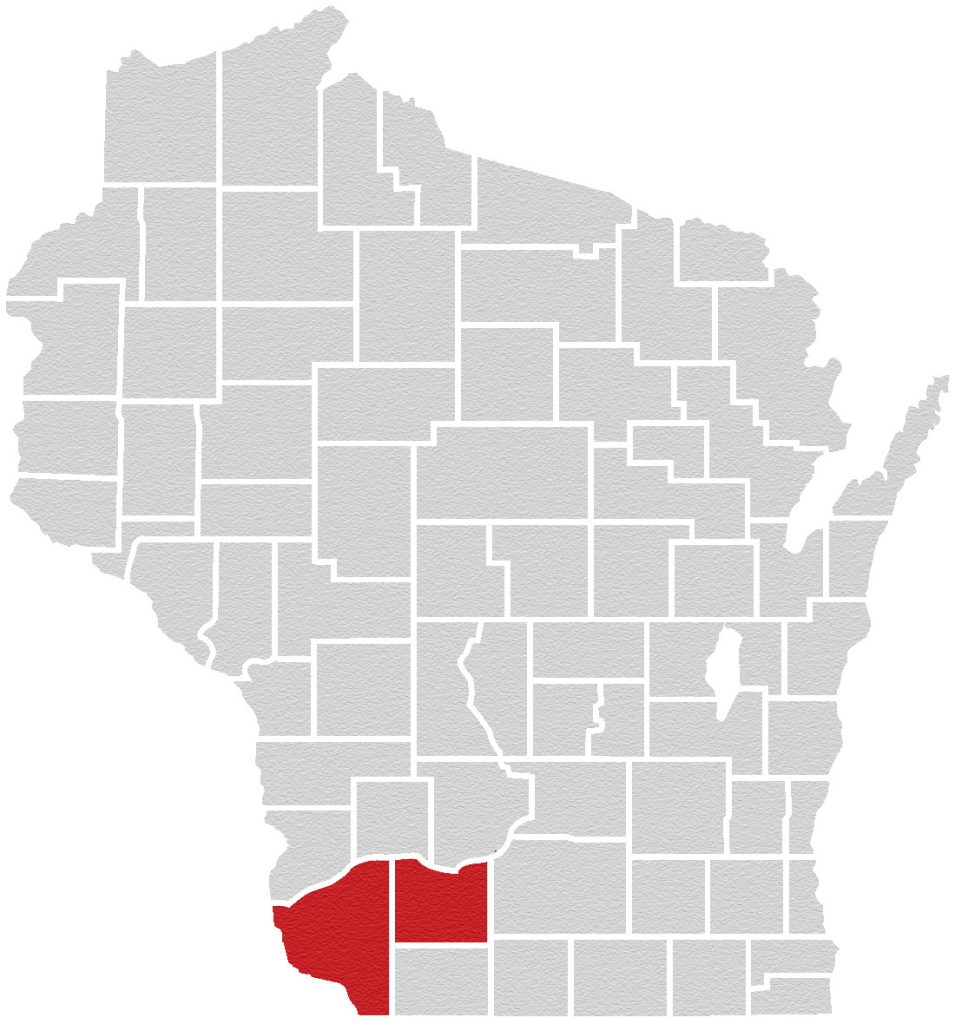
Tucked into Wisconsin’s Driftless Area is what former Badger football star and NFL Hall of Famer Joe Thomas calls a “beautiful piece of Wisconsin.”
Thomas already owned the property as his football career was winding down. Originally used to grow cash crops, the farm took a new direction when his children insisted it wasn’t a real farm without animals.
A dutiful father, Thomas purchased five beef cows and a bull in 2018. What began as a hobby, raising beef to share with family and friends, was a big hit. Encouraged, Thomas began adding more cattle to his herd. Then, after tasting Wagyu beef for the first time in 2021, Thomas became fascinated with what goes into producing premium beef.
He began asking himself whether he could “raise the healthiest and best beef on planet earth” right there in the Driftless.
As his herd multiplied and the hobby evolved into a business, Thomas faced a challenge familiar to many livestock producers: How could he scale up while maintaining efficiency? Could he ensure every animal received the same nutrition and care needed to continue producing quality beef?
Technology that helps farmers care for their herds
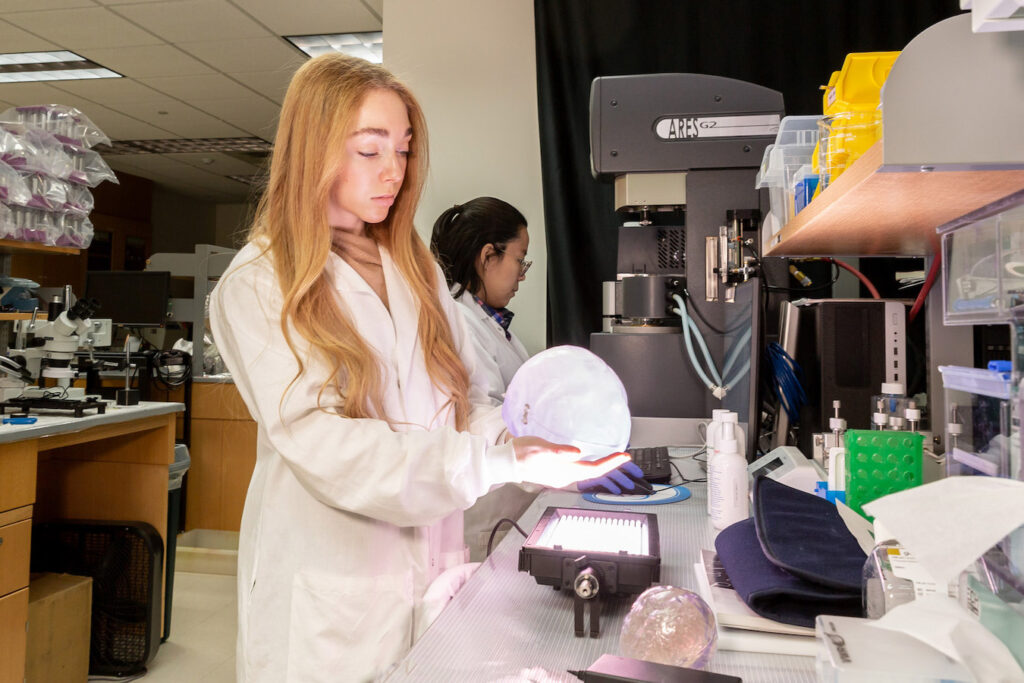
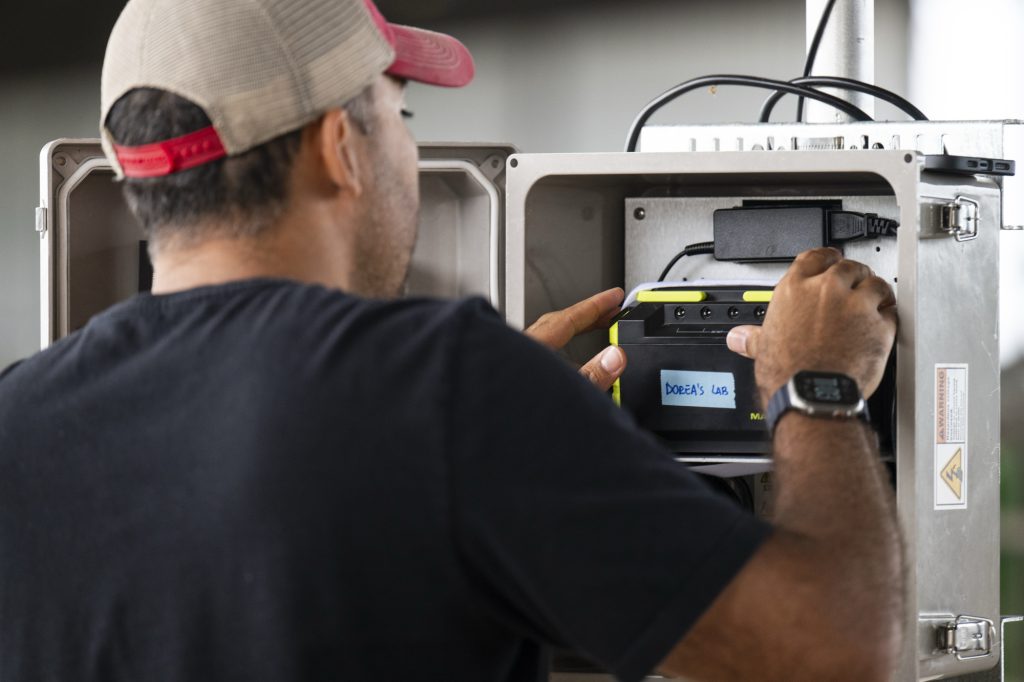
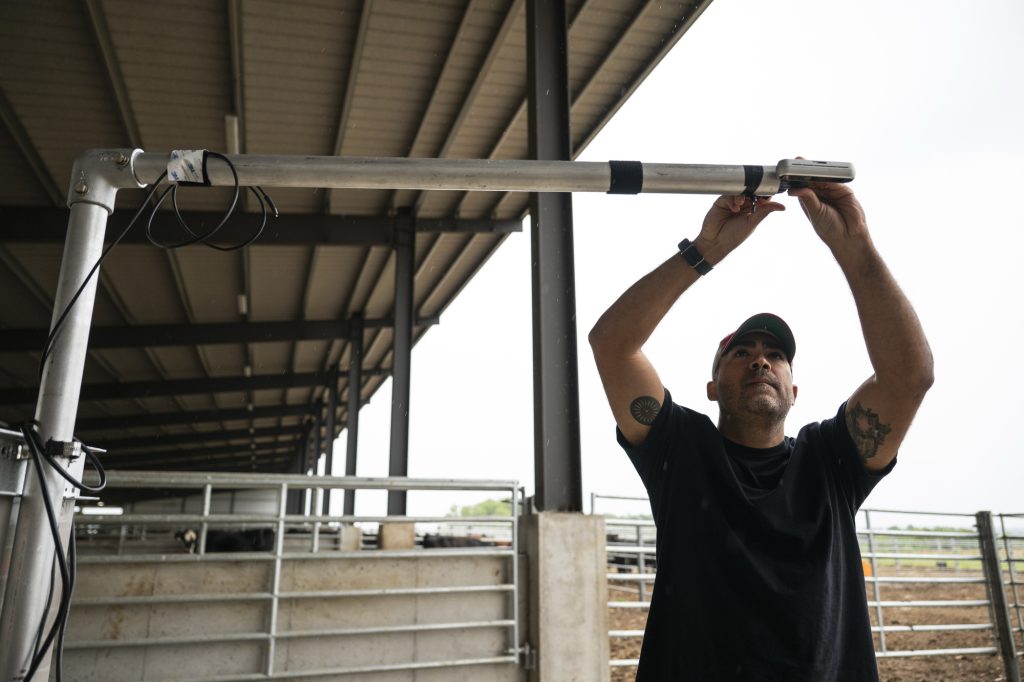
João Dórea, an associate professor of animal and dairy sciences at UW–Madison, leads a research team developing artificial intelligence tools that use cameras and other sensors to monitor cattle health, including physical growth, pregnancy and other behaviors.
Animals can’t tell farmers when they’re sick. But small changes in their movements or eating habits can offer important clues, often long before more obvious symptoms appear.
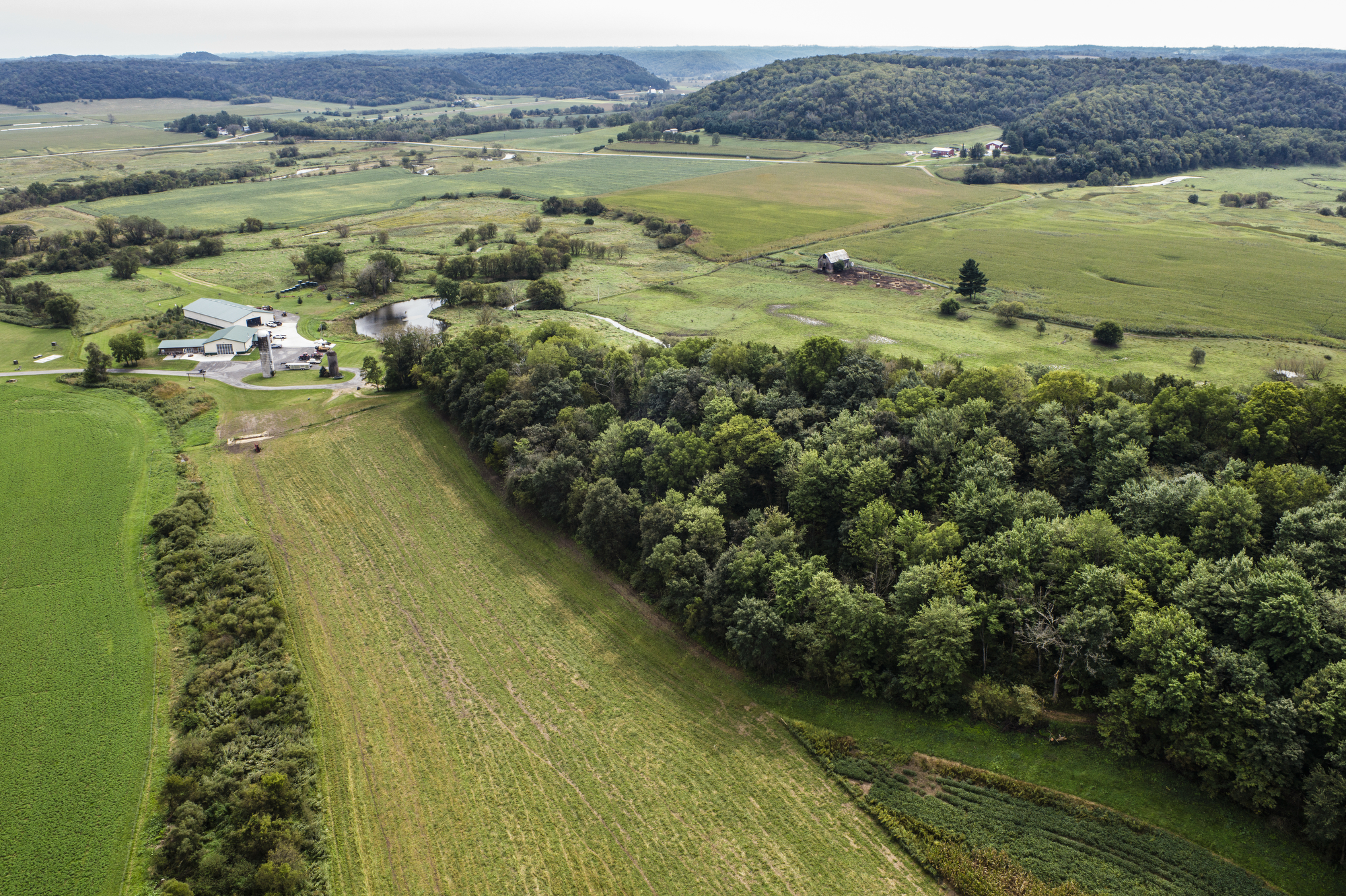
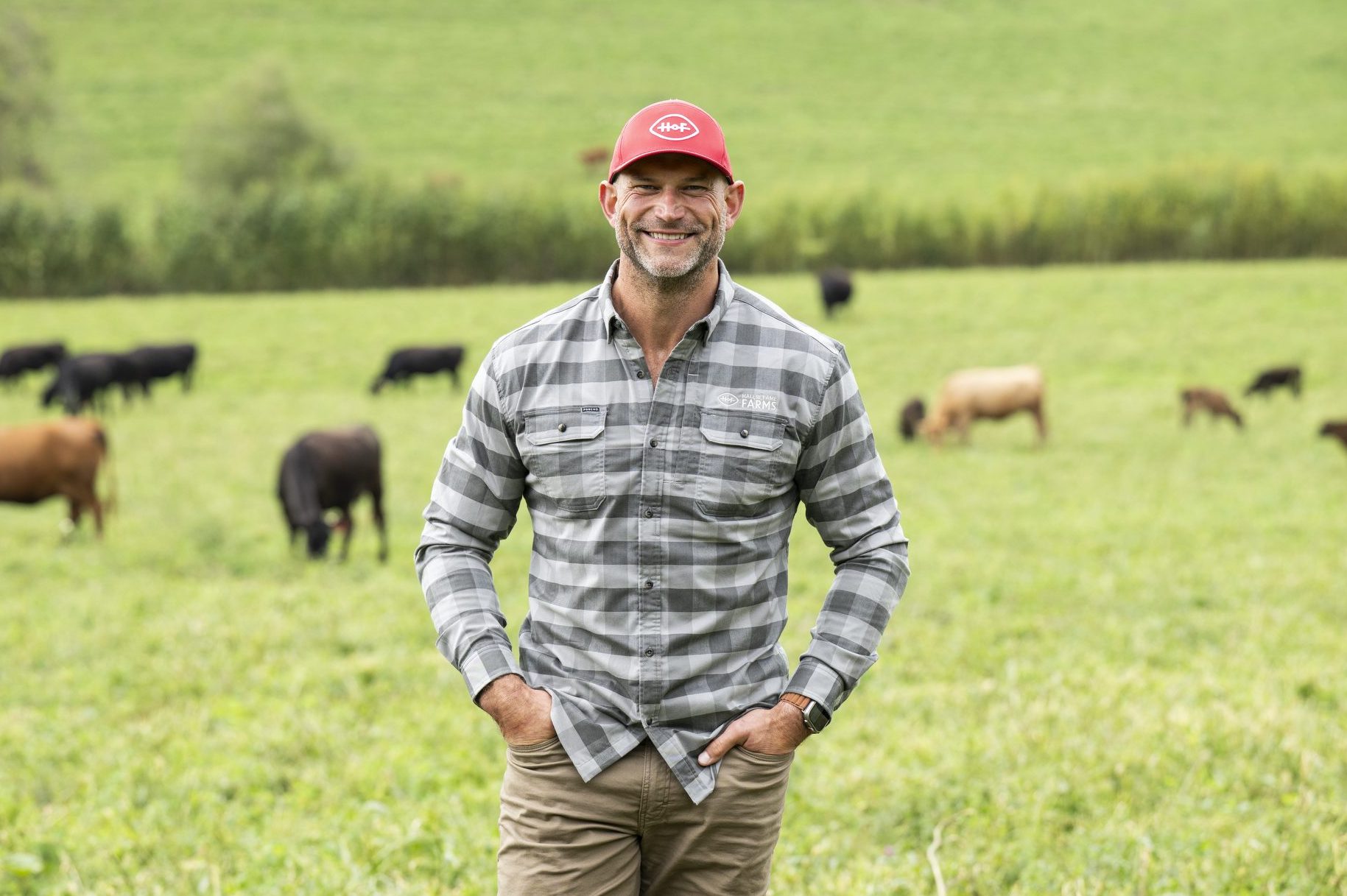
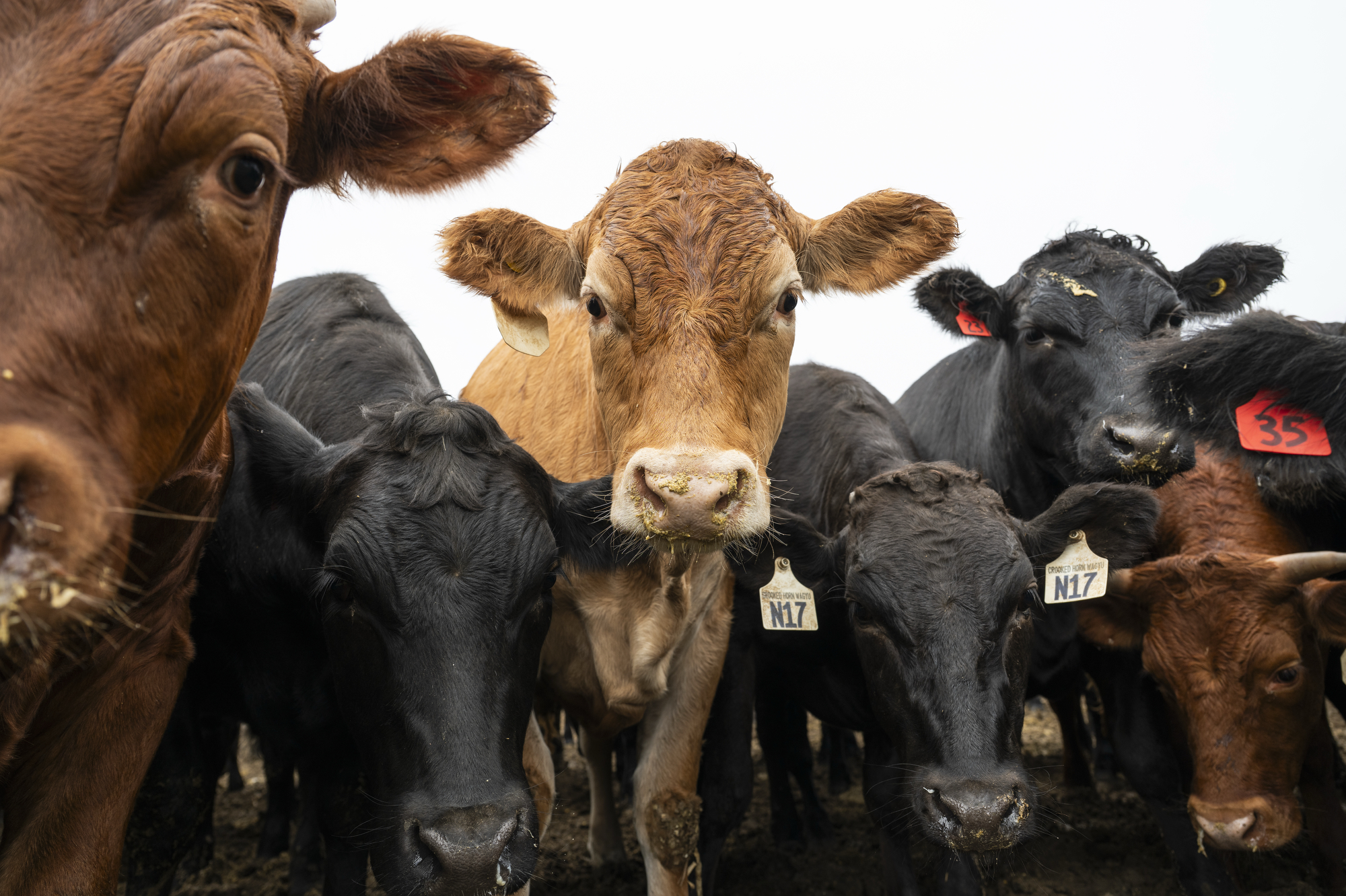
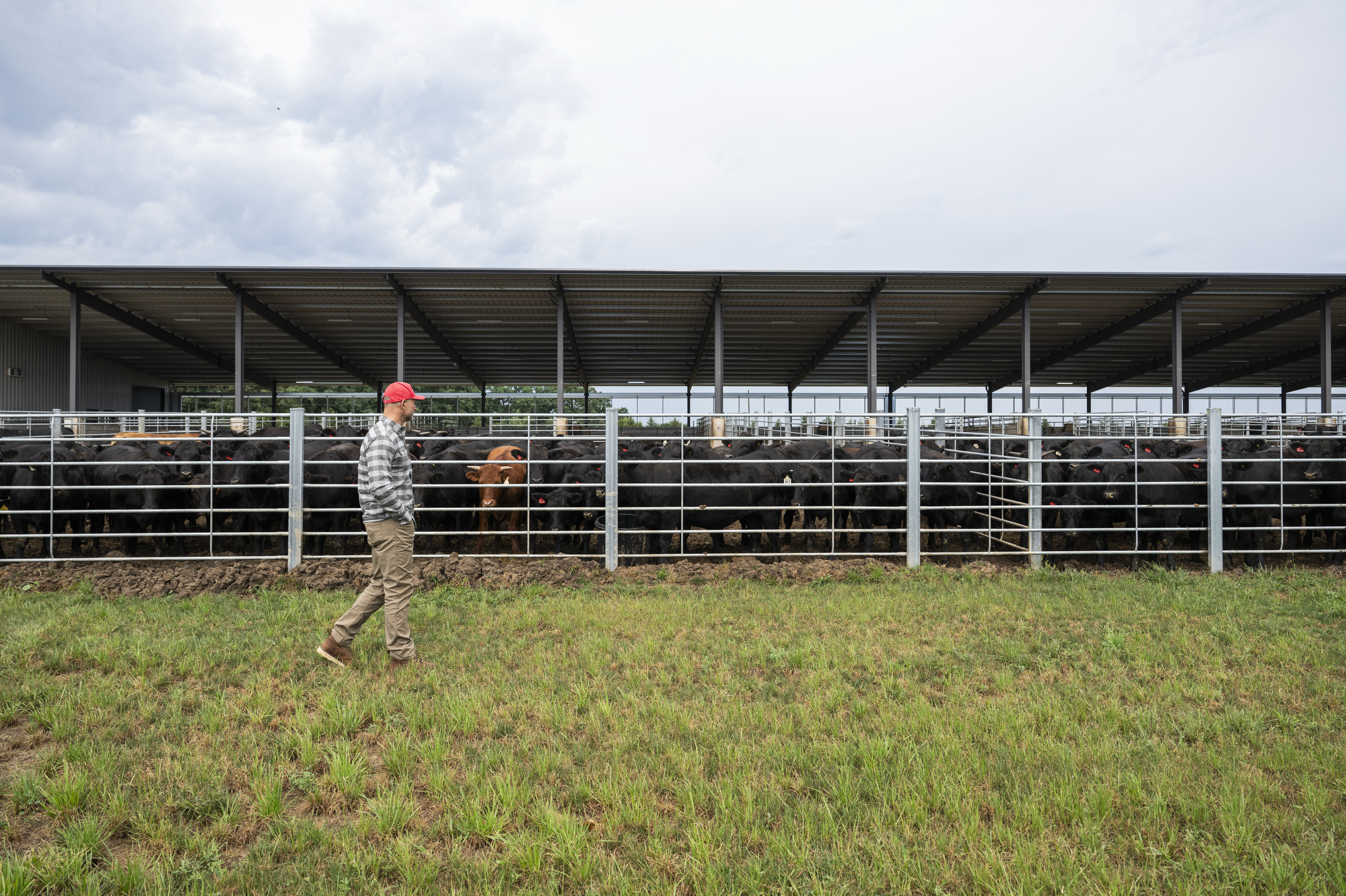
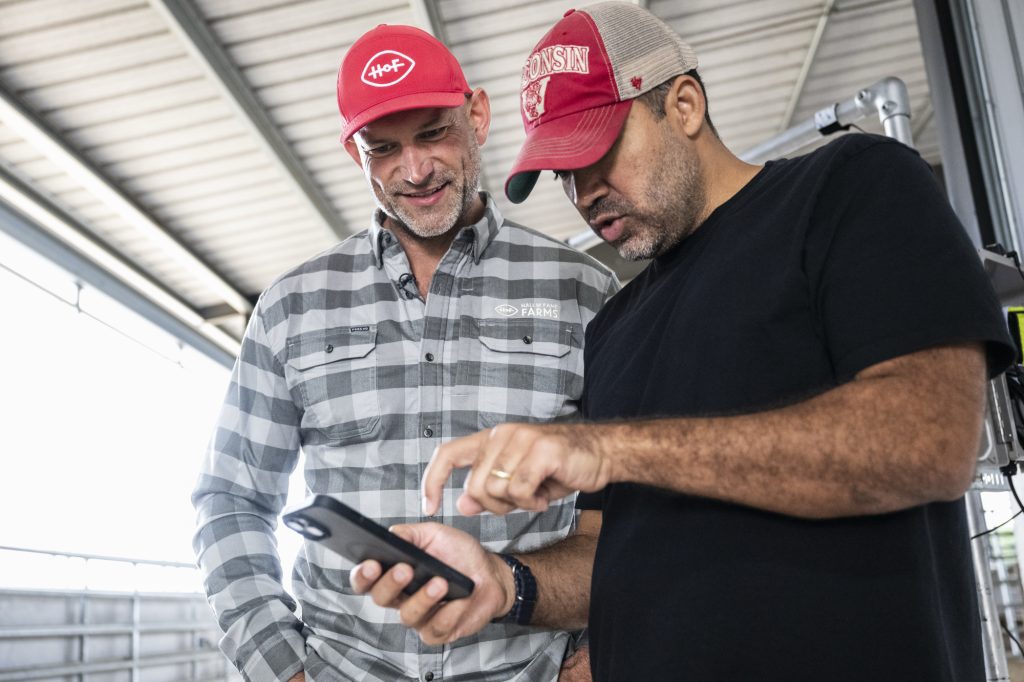
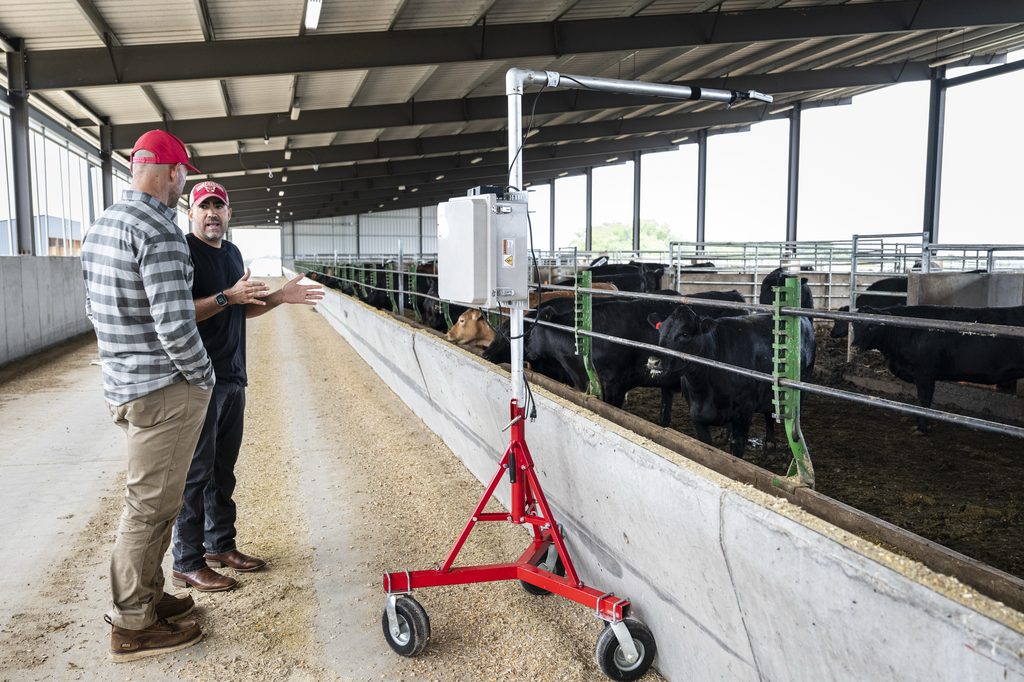
UW–Madison alum Joe Thomas dedicated years to becoming an all-pro athlete. His work ethic landed him in the Pro Football Hall of Fame after more than a decade in the NFL. With help from João Dórea, researcher in UW’s College of Agricultural and Life Sciences, he’s now bringing that same attention to detail to his cattle at Hall of Fame Farms in Muscoda, Wisconsin.
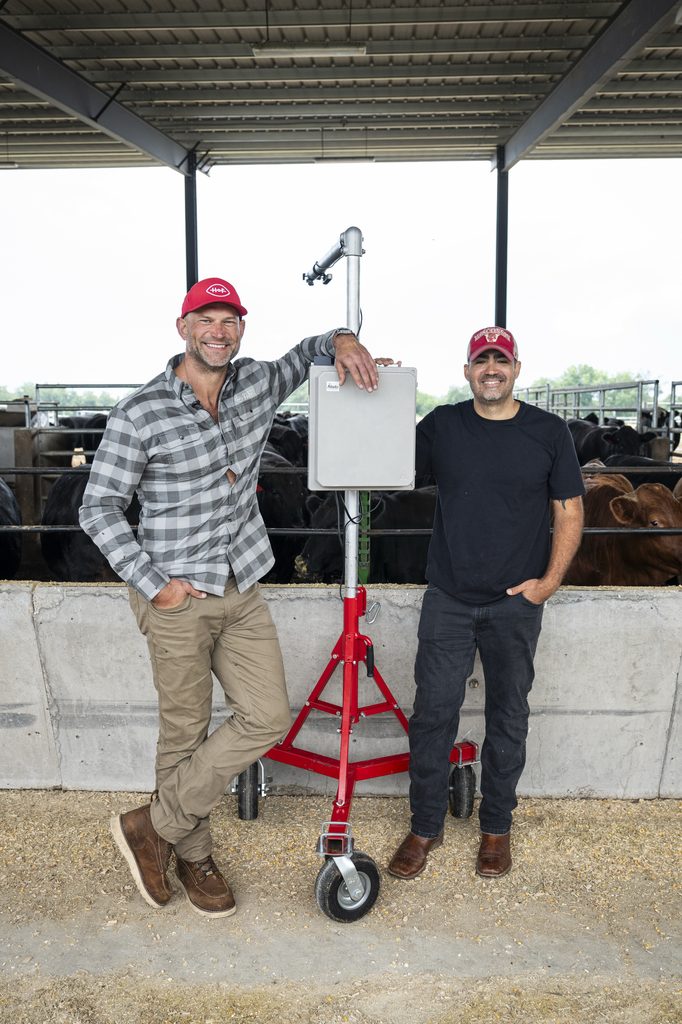
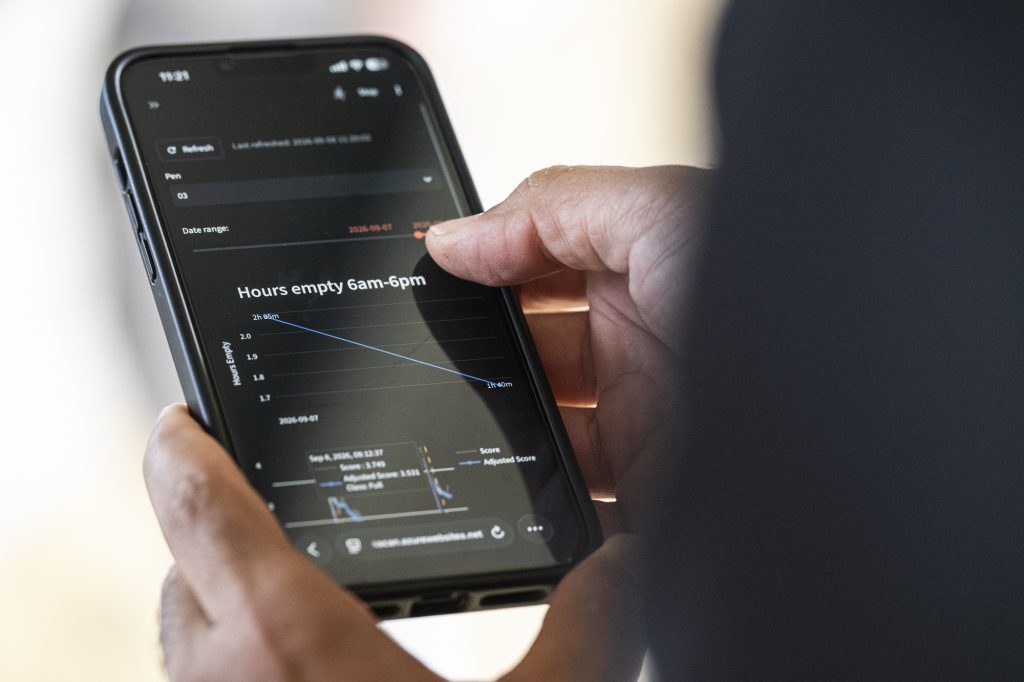
The research addresses a broader challenge facing modern livestock operations. Today, farms like Thomas’ generate enormous amounts of data from different technologies, but those systems don’t always communicate with one another. Dórea’s team is developing ways to bring that information together and analyze it in real time, turning data into practical insights farmers can use to make decisions on herd health.
Unlike cloud-based AI tools, the systems developed by Dórea’s lab operate locally, processing information directly on the farm. Once trained, the models don’t require an internet connection, allowing farmers to keep their data private. Some even run on solar power.
Thomas’s father-in-law, also a UW–Madison graduate, helped connect him with Dórea’s research team. Thomas saw an opportunity to take his growing operation to the next level.
Through the collaboration, Thomas uses technology developed by Dórea‘s Digital Livestock Lab to monitor each individual animal’s feed intake, movement and health metrics. This data allows him to make more informed decisions about feeding practices, spot potential health concerns sooner and seek veterinary care when needed. Better feed efficiency and earlier interventions can also help reduce operating costs and improve farm profitability.
In many ways, the technology allows Thomas to maintain the individualized approach to animal care that defined his farm’s earliest days, even as his business continues to grow.
From one Wisconsin farm to many
For Thomas, the collaboration is about more than improving his own operation.
“I’m proud to know Wisconsin is at the forefront of livestock and agricultural technology, and that we can be a shining light for the rest of the industry throughout the country.”
What began with five cows, a bull, and a family’s love for a piece of Wisconsin is now helping advance agricultural research that could help farmers everywhere care for their animals. ■