One Wisconsin. On Wisconsin.
Four Northwoods towns unite to rebuild EMS — and cut response times in half
With support from UW–Madison’s Wisconsin Office of Rural Health, Vilas County communities replaced a strained volunteer system with a 24/7 paramedic service.
VILAS COUNTY, WIS. — As recently as a couple years ago, calling 911 in parts of rural Vilas County could mean a long wait for urgently needed emergency care, or, in rare cases, no ambulance at all.
That reality reflects a broader trend across rural Wisconsin, where emergency medical services are coming under increasing strain thanks to workforce shortages and rising costs. In fact, nearly half of the state’s ambulance services struggle to reliably staff crews around the clock.
That’s according to James Small, rural EMS outreach program manager at the Wisconsin Office of Rural Health (WORH). Housed within the University of Wisconsin School of Medicine and Public Health, WORH offers a wide range of services aimed at improving health outcomes in the state’s rural communities. In his role, Small provides advice and support to elected officials grappling with EMS challenges.
At worst, these challenges manifest in delays in life-saving emergency care as dispatchers cycle through multiple EMS services before finding an ambulance that can respond. In some rural areas, that can stretch response times well beyond what patients can safely wait.
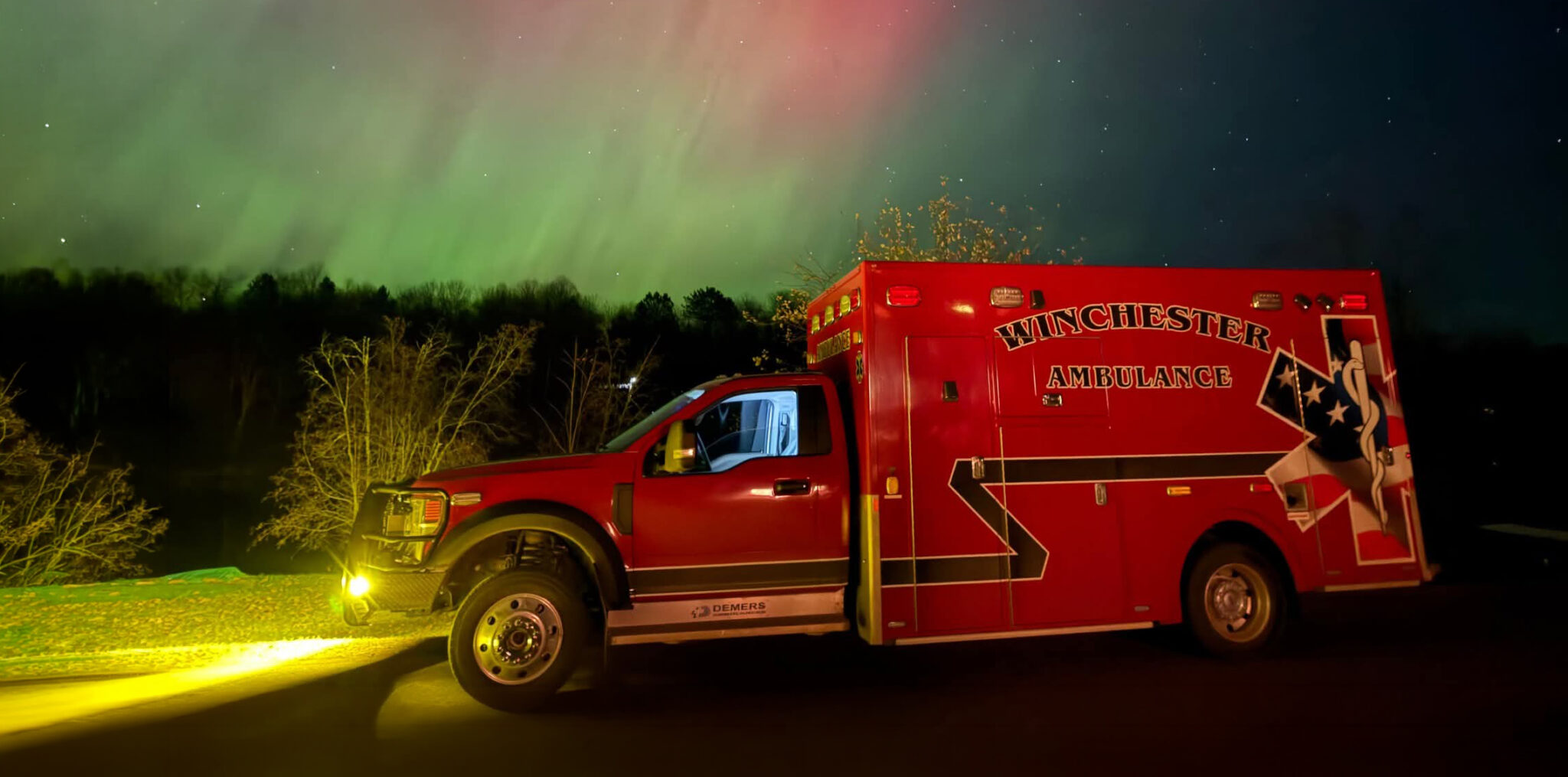
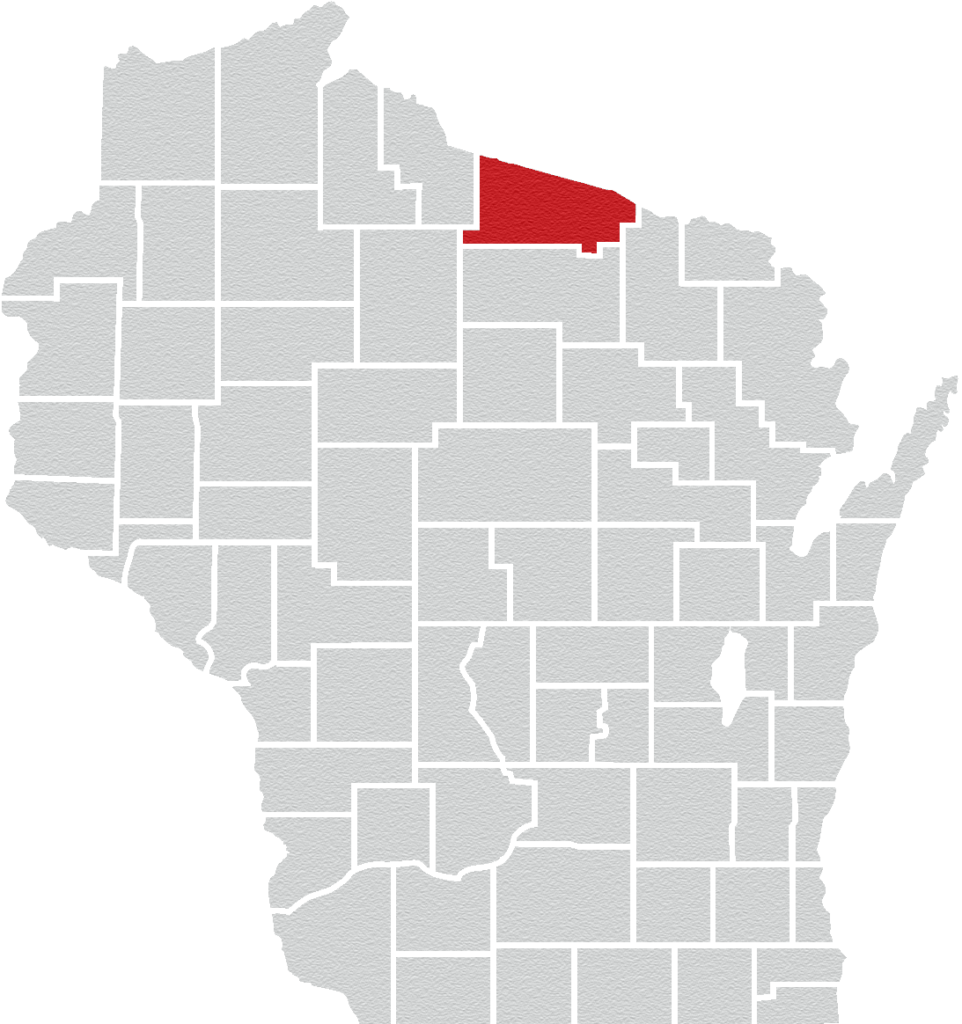
That pattern had become increasingly common across four Vilas County townships — Manitowish Waters, Boulder Junction, Presque Isle and Winchester — where aging volunteer rosters and limited availability made it difficult to respond quickly.
“We had ambulances, but not always the people to staff them,” says John Hanson, who has served as town chairman in Manitowish Waters for more than two decades.
Dispatchers often had to assemble crews from multiple towns before an ambulance could even leave the station, says Lori Scarcelli, who oversees communications for the Vilas County Sheriff’s Office. Combined with long travel distances and winding rural roads, those delays could push response times to 40 minutes or more.
The issue, Small says, wasn’t a lack of commitment from volunteers. It was a system under strain.
“People were doing everything they could to keep it going,” he says. “But they were under-resourced, and it wasn’t sustainable.”
The Wisconsin Office of Rural Health works with communities to assess and strengthen EMS systems. In Vilas County, that meant helping local leaders understand both the scope of the problem and the options for addressing it.
Small and his colleagues compiled dispatch and workforce data, showing not only long response times but also how few responders were consistently available across the four-town system. That data helped shift the conversation from one driven by anecdotes to one grounded in evidence.
“Once you can see what’s actually happening, it becomes much easier to have a productive conversation about solutions,” Small says.
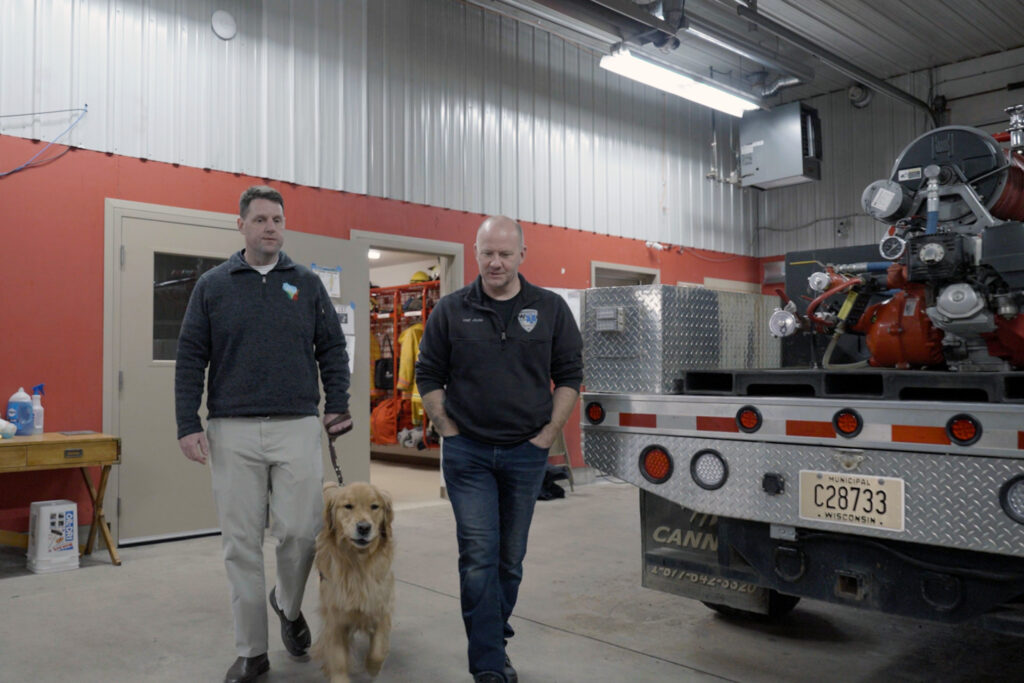
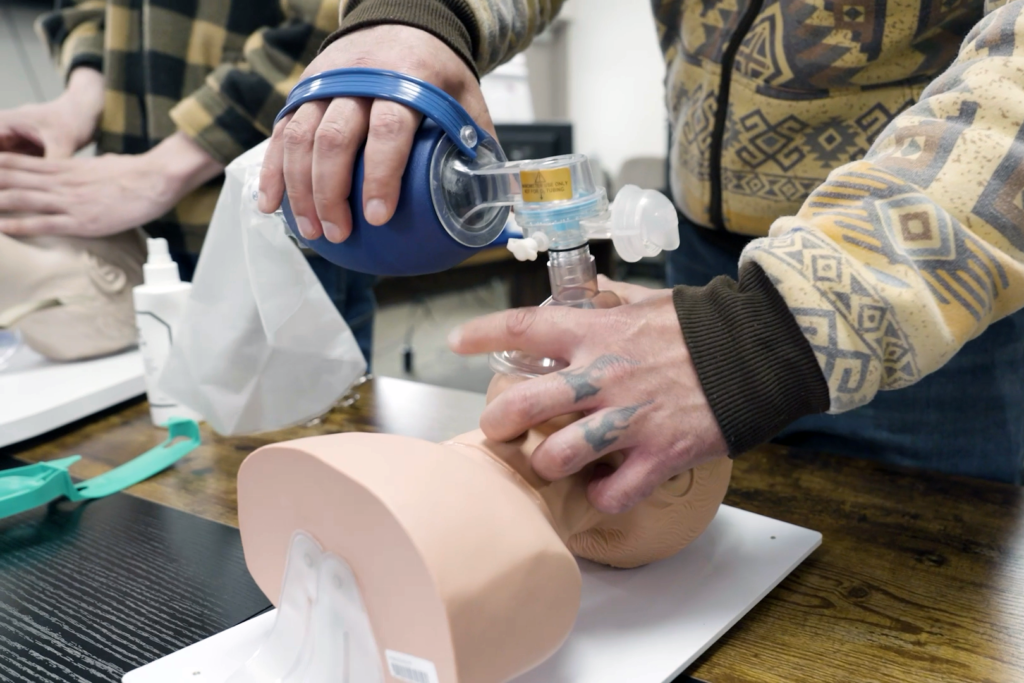
WORH also provided technical guidance as the towns explored those solutions, helping outline governance structures, estimate costs and design hiring processes. The goal, Small says, was to give local officials the tools to make informed decisions, not to prescribe a single approach.
After months of study, public meetings and coordination, the four towns agreed to combine their services into a single, jointly funded EMS district staffed by full-time professionals.
The Northwoods EMS District launched in January 2025 with two ambulances staffed around the clock by paramedics and EMTs.
The impact has been immediate.
Now, “within about a minute and a half of a call, crews are on the road,” says Jason Joling, who was hired to lead the new service.
Average response times across the district have dropped to about 13 minutes, down from 40 minutes or more in some cases under the previous model.
For dispatchers, the change has reduced uncertainty and improved efficiency.
“We know right away that someone is responding,” Scarcelli says. “That wasn’t always the case before.”
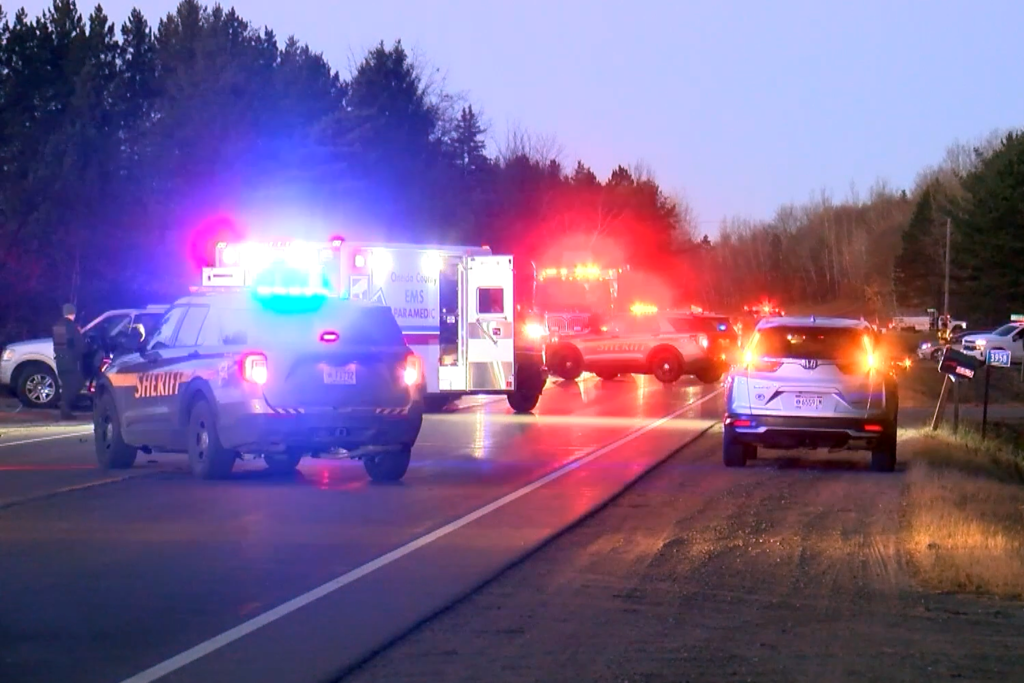
The new system also brings a higher level of care directly to patients. Previously, most calls were handled at the basic EMT level, with paramedics dispatched from outside the area when needed. Now, every ambulance is staffed to provide advanced life support from the start.
“That means patients are getting more advanced care sooner,” Joling says.
For Hanson, the difference is clear in both data and lived experience.
“When you need an ambulance, you need it right away,” he says. “And now people are getting that level of service.”
The transition required increased investment from each of the four towns, and leaders say there are still details to refine. But the system is functioning as intended — and drawing attention as a possible model for other rural communities.
Across Wisconsin, Small says, many EMS systems are facing similar challenges. The experience in Vilas County shows what’s possible when communities have access to clear data, technical support and a willingness to collaborate.
“This is something other communities can learn from,” Small says. “If you’re willing to look at the data and work together, there are ways to build a system that works.”